January 16, 2008

THREE PETITIONS for PEACE in NIGER

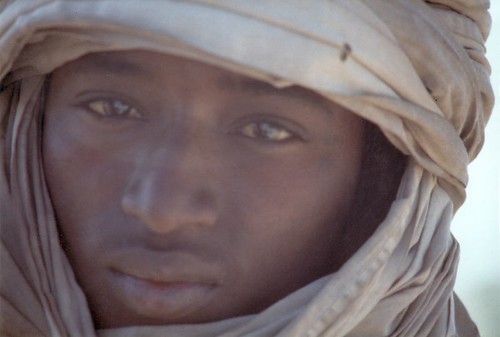
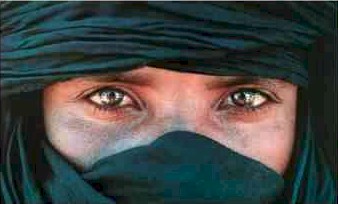
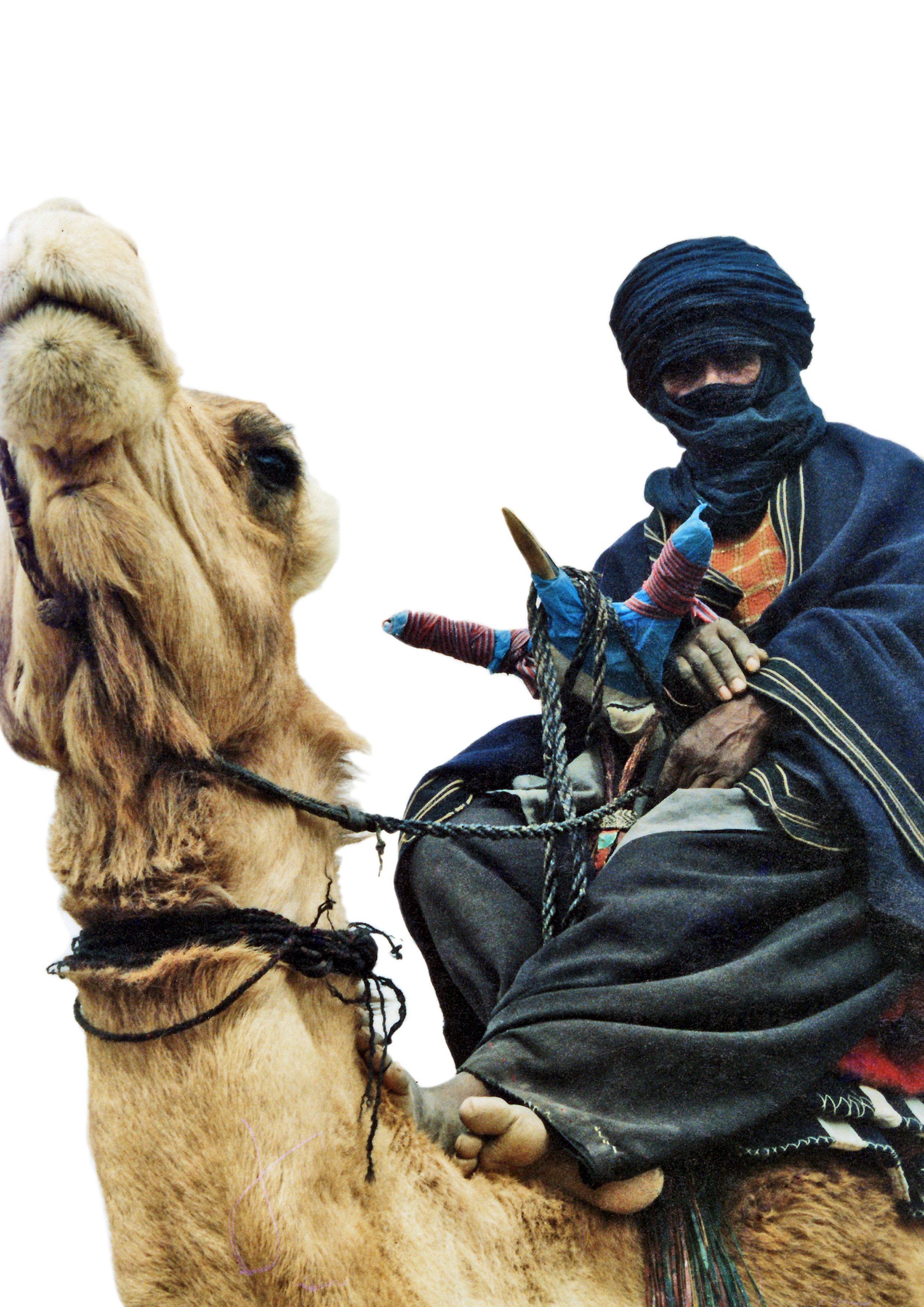
Photo: Tuareg 1989, by Antspin, on Flickr (Note: some rights reserved)

There are three different petitions circulating for Peace In Niger (one is in three languages, so five petitions total). So far, at least 1,979 individuals and organizations have signed the petitions. All the petitions are asking for essentially the same thing -- NEGOTIATION for PEACE in NIGER, and NO MORE VIOLENCE.

Summary of the Petitions for Peace In Niger:


Petition A "Appel À La Paix Au Niger" (French)

June 19, 2007 - Dec. 29, 2007

Original version: http://www.agadez-niger.com/forum/viewtopic.php?t=1422

Edited / current version: http://www.agadez-niger.com/forum/viewtopic.php?t=1628

Appel du 18 Juin 2007, Grenoble

Le Collectif en faveur d’une paix durable au Niger

604 signatures as of Dec. 29, 2007


Petition B "Petition for Peace In Niger" (English)

July 15, 2007 - Jan. 14, 2008

http://www.thepetitionsite.com/1/peace-in-niger

International Coalition for Peace in Niger

436 signatures as of Jan. 14, 2008 (petition was closed temporarily on Jan. 14, and may re-open)


Petition C "Peace In Niger" (French, English and German)

Includes Tuareg Associations and Human Rights Associations

FRANCAIS:
http://www.PetitionOnline.com/plpanf07/petition.html
French: 470 signatures


ENGLISH:
http://www.PetitionOnline.com/pinnne07/petition.html
English 185 signatures


DEUTSCH:
http://www.PetitionOnline.com/fidrnd07/petition.html
German 284 signatures

Total: 939 signatures as of Jan. 15, 2008


Total signatures of all of the petitions:

1,979 individuals and organizations


January 13, 2008

Tuaregs, two countries, two different situations


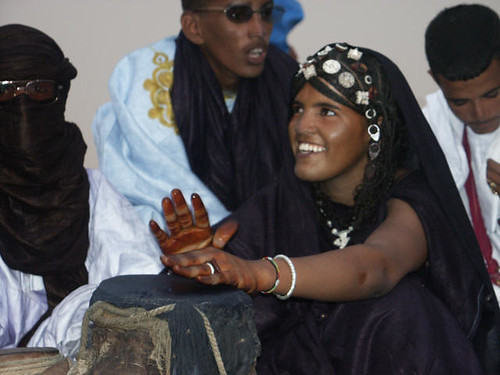
Photo: The Tuareg blues band Tinariwen performs on stage. They have numerous CD albums, which are available on Amazon.com Each year, Tinariwen hosts the Festival of the Camel, at Tessalit, in Mali. Photo credit: Slushpup, on Flickr


In Mali last night, Tuaregs just finished up with two international folk festivals. There's the Festival of the Camel, hosted by the Tuareg band Tinariwen, at Tessalit, and the Festival in the Desert, at Essakane, only 65 kilometers from Timbuktu. During the day, there are traditional Tuareg celebrations, including camel races, drumming and singing events performed by Tuareg women (tende), workshops and parades. At night there are concerts.

Thousands of Tuaregs, and several hundred tourists have been enjoying the music of numerous Tuareg blues and rock groups from Mali, Niger and Mauretania, as well as some other local bands, and even some imported ones. Imagine a band stage, with lights, a booming sound system and a vast audience, out the in the middle of the Sahara! The Essakane festivities feature a group of Eskimo (Inuit) performers all the way from Alaska.

Many of the members of the Tuareg bands were once rebels who originally met as refugees in Libya and Algeria in the late 60s, 70s and 80s. They have their CDs for sale on Amazon.com, and you can listen to selections of their music there. Many of the bands are listed below this post, under Contemporary Tuareg music.

If you want to go there next year, make an appointment for a yellow fever shot, get a visa, and start saving your cash -- several thousand dollars. Tuaregs and Europeans organized these festivities, and the Malian government helped sponsor it.

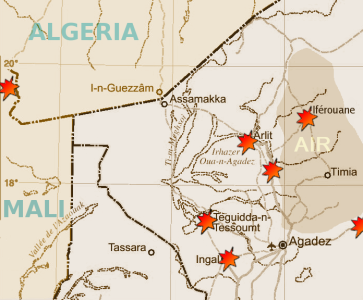
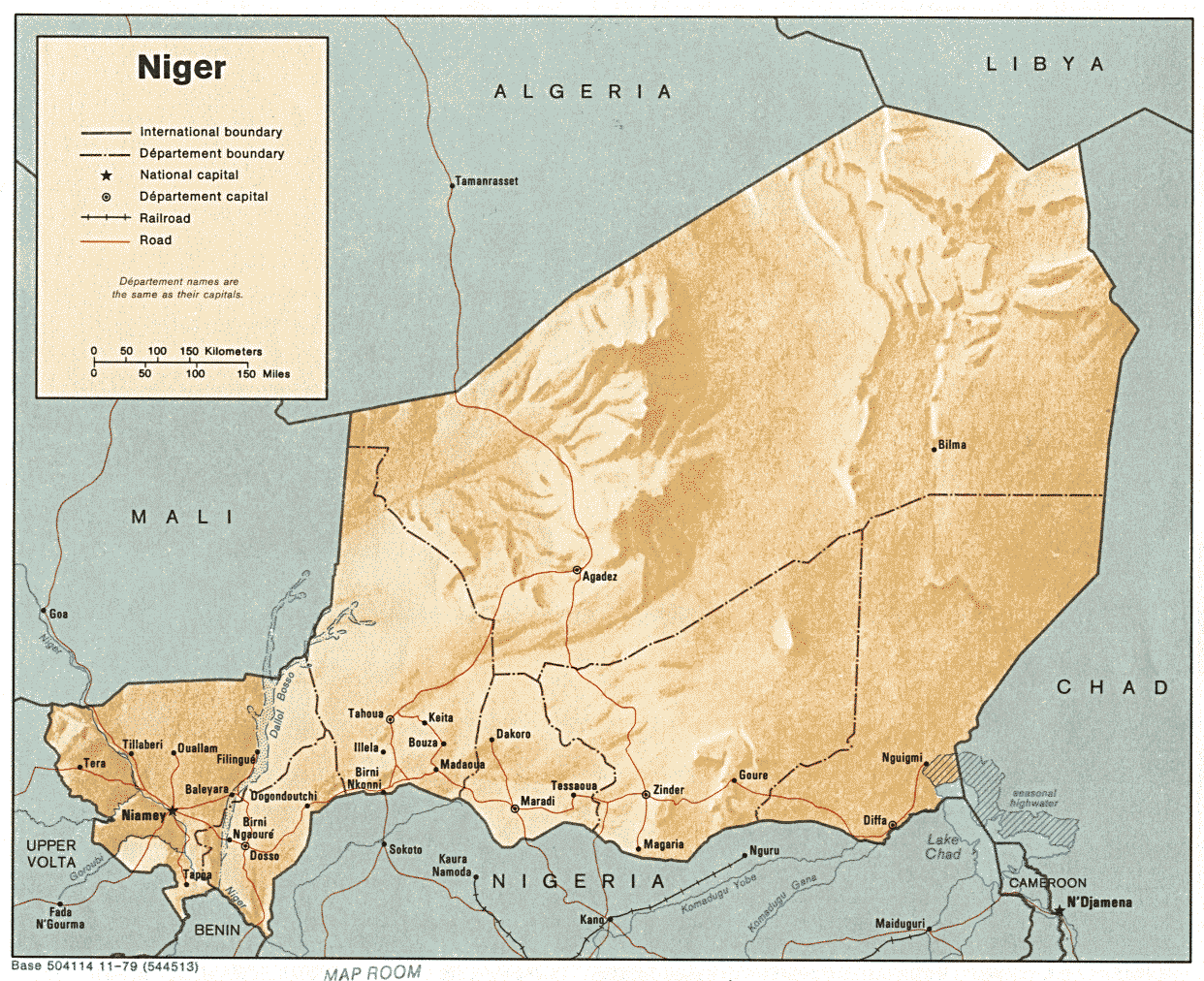
On the other hand, try to imagine a Tuareg village, Iferwan, just a few hundred miles away to the east, that became a ghost town only a few weeks ago. The people there fled south to Agadez, west to Arlit, and north to Algeria, because they were afraid of the Niger army.

In their country, Niger, the army has been hunting down, arresting, torturing and brutally murdering Tuareg civilians in their region, in retaliation for attacks by the Tuareg-led Niger Movement for Justice (MNJ), which has taken up arms to try and get negotiations for a better life for their people. Niger has always hovered at the bottom of the U.N. Human Development Index, where many people have to try to feed their families for about $1 a day (UN Common Database: 60.56% in 1995), and nearly everybody lives in desperate poverty.

The 2005 Niger Food Crisis brought world attention to the suffering in Niger, when many Americans will remember the broadcasts by CNNs Anderson Cooper, who went to Niger to document the "pencil stick" babies and starving people. In 2006, Niger was declared the Poorest County in the World. The Tuaregs have been economically marginalized, and have routinely been excluded from food relief, medical aid, and development funds for decades, since the country's independence.

Both Mali and Niger are poor, but the music festivals in Mali highlight the fact that the Malian government now seems in certain ways more favorable to acknowledging and including the Tuaregs. Even though rebel activities have recently been going on there, too, the Tuaregs in Mali can host these joyous festivals, and bring some cheer and acclaim to their people.

In Niger, no one is allowed to visit the Tuaregs, to see the dreadful conditions they are living in, and to hear their plight. The government stopped tourist traffic through Tuareg areas many months ago, banned Doctors Without Borders from the Agadez region, cut off shipments of food relief to Agadez from Libya, and has refused to allow relief workers and supplies into the area to help the Tuaregs.

There is a virtual news blackout on the situation, since the government has said that no one is allowed to give an honest report. The news is heavily filtered and manipulated, and in order to survive, newspapers and radio stations must practice self-censorship. Four reporters are in jail, awaiting possible death sentences for allegedly interviewing the rebels.

As recently as ten days ago (Jan. 3rd), according to MNJ, the Niger army moved through Tuareg villages in the North, shooting their livestock, and extorting them. The Tuaregs in Niger live in a climate of fear and repression.

Last week, a landmine blew up in Niamey, hundreds of miles from the conflict area, and killed a radio reporter. Some groups fear that Niger's clampdown on freedom of speech and of the press has gone from bad to worse. Has the government of Niger resorted to killing reporters, and instilling fear in the general population? The Niger Defense Minister has accused the Tuaregs of laying landmines in the cities (which they refuse), and he has called on citizens "to fight" against them.

The Niger army has gone out of control, killing Tuareg civilians and livestock. The government has, according to MNJ, been running hate campaigns against the Tuareg people on the national TV and radio stations. Various leaders have been talking about "finishing off" the rebels and "exterminating" the Tuaregs. The Defense Minister seems to be calling for some sort of civilian "vigilance brigades" or militias against the Tuareg rebels, since the national army hasn't been effective.

Where will it all end? Is the Niger government so corrupt and confused that it means to start another genocide like Rwanda's?

From being at the bottom of the world heap in terms of development and food security in 2006, Niger has risen to the top of the world list of abusers of human rights, as a "predator" on freedom of the press, according to the Media Foundation for West Africa (MNJ has a post addressing this topic).

What can be done? It's pretty grim -- 3,500 Tuareg men, women and children are huddled together far from their homes in a remote area of northern Niger, with nothing to eat, no shelter, no medical attention, and no way to get help, since the government has cut off the North from the usual American and European non-government organizations that would provide help.

But some Tuareg organizations are trying to pull together an emergency relief campaign, through local people. You can find out more about it by clicking on the following websites: Tchinagen and Targuinca


Tchinaghen: click HERE for ENGLISH

www.collectif-tchinaghen.org
tchinaghen@yahoo.fr

Telephone (from the U.S.) 011 (33) 6 28 O5 76 57

Telephone (from Europe) (33) (0) 6 28 05 76 57


You can also sign a PETITION FOR PEACE IN NIGER:

PETITION FOR PEACE IN NIGER


To view / sign the Petition, go to:


FRENCH:
http://www.PetitionOnline.com/plpanf07/petition.html

ENGLISH:
http://www.PetitionOnline.com/pinnne07/petition.html

GERMAN:
http://www.PetitionOnline.com/fidrnd07/petition.html


January 10, 2008

Runaway Landmines In Niger


Photo credit:

Niger Movement for Justice (MNJ)

"No to Landmines!"


Yesterday (Tuesday, January 8, 2007) a Nigerien journalist was killed when a landmine exploded under his car in Niamey, and the Niger government immediately blamed the Tuareg-led rebel group, Niger Movement for Justice (MNJ).
Moreover, Niger's Defense Minister, Ben Omar, has issued an appeal to the country's citizens to set up "vigilance brigades" to fight against "these new types of assassins" (Reuters, Jan. 9, 2008 15:29 GMT). Is there any reason to believe that the rebellion in the North would target the director of a private radio station 1,000 miles away in Niamey?

Background on Landmines in Niger:

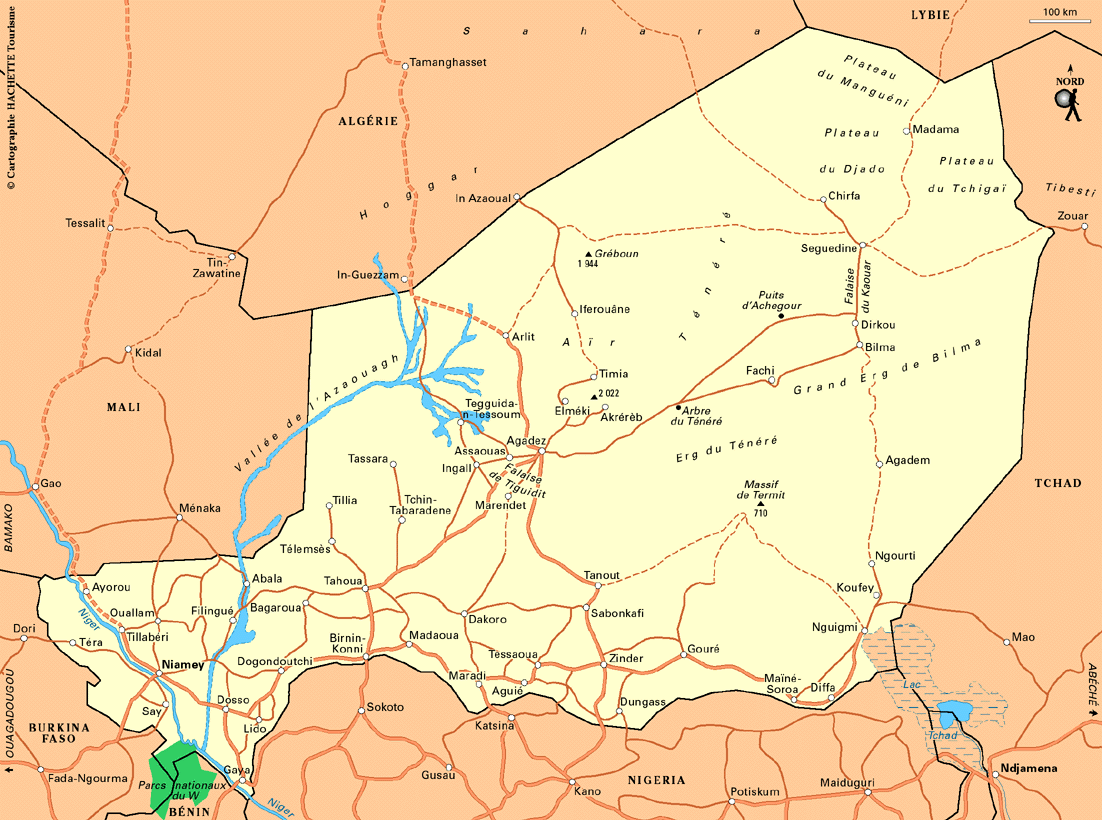
The use of landmines emerged in July 2007, when MNJ reported that they had observed the Niger army laying Chinese landmines in the conflict zone in the north (MNJ July 16, 2007). MNJ has maintained a steady record of the use of Chinese weapons and landmines by the Niger army in the Air Mountains, on their blog (MNJ July 7, July 16, July 31, Aug. 20, Sept. 27, Dec. 12, Dec. 16, Dec. 20, Jan. 2, Jan. 9). At first, the mines appeared only in the conflict zone. Then, the Niger government made an announcement in November 2007 that the rebels would begin "acts of urban terror" by laying mines in the cities (Reuters, Jan. 9, 2008). On Nov. 21, police foiled an attempt to detonate an anti-tank mine in a fuel depot in Dosso; on Dec. 10, two landmines exploded on the same day, in Tahoua and Maradi (Reuters, Dec. 11, 2007); all three cities are far to the south of the conflict zone in the north of the Air Mountains.

There was some contradiction in the reportage on a landmine discovered recently in Tanout. A Niamey-based news source L'Union recently reported that two Tuareg men connected with MNJ were apprehended in Tanout, for allegedly laying landmines in front of the Prefet's home in Tahoua on Dec. 18. However, the independent newspaper Le Republicain asks why the Nigerien authorities are not being more diligent about pursuing the "real" perpetrators, and questions whether or not the men arrested at Tanout were actually the guilty ones. Given the government's campaign to demonize the Tuaregs on the national radio and television (see MNJ blog -Highlights in English) it is not clear whether or not the arrested men were framed, in order to support the government's policies.

[UPDATE: It was the Prefet of Tanout who allegedly planted the landmine in Tanout, according to MNJ: On Jan. 21, MNJ conducted a surprise attack on Tanout and captured the Prefet, Garba Kona. MNJ alleges that the Prefet, who is currently their prisoner, "acknowledges, without any coercion or threat whatsoever on our part, of organizing the conspiracy to lay the landmine at Tanout, an act of which peaceful citizens were accused." (MNJ, Jan. 19, 2008)]

Two news agencies have implied that the journalist had no known enemies in the currently divided government: Afrol reported, "during his lifetime, he was not known for critical reporting," (Afrol Jan. 9, 2008). A BBC correspondent in Niamey alleged that the victim "was not known to be critical of either side." However, possible evidence to the contrary is described below (History of RM Radio Station). The Niger government and many of the news sources have pointed either directly or indirectly to the Tuareg-led rebel group MNJ (Niger Movement for Justice), whose base of operations is over 1,000 miles away, in the Air Mountains, north of Agadez, where the conflict is defined and centered. How likely is it that Tuaregs would plant landmines in Niamey? What else is going on in Niger that might help explain what happened? What facts can be gleaned from the news reports, as well as past reports and news items over the past few years, that would help us understand what this is all about?

1. Virtual news blackout in Niger: Beginning end of last summer 2007, not long after the U.S. brought a media expert to Niamey in July to provide a training conference to local journalists and reporters to encourage freedom of the press and responsible journalism in a democratic society, President Tandja's regime began restricting the media through force, arresting and incarcerating reporters who had interviewed or reported "sympathetically" on the Tuareg-led rebel group, Niger Movement for Justice (MNJ).

(a) RFI, BBC and VOA broadcasts can be shut down at any time in Niger: In July, the government suspended local FM radio broadcasts of Radio France Internationale (RFI) for one month, because they seemed to be broadcasting news that was sympathetic to the MNJ, and saying things that made Tandja's regime look bad. RFI is the major world radio broadcaster for France, as is BBC for Britain, and Voice of America for the U.S. In order to remain on the air at this point, RFI, BBC and VOA must continually remind themselves of Tandja's recent history of shutting down international radio broadcasts in Niger. It's worth keeping that in mind, in assessing the content, perspectives and tone of their current coverage of news events in Niger. Their broadcasts could easily be shut down by Tandja if they say anything that seems too sympathetic toward MNJ.

(b) Prominent Nigerien reporters jailed:

(i) The manager of Radio Saraouniya, Moussa Kaka, was arrested Sept. 20, and has remained in jail since September 20th for interviewing a member of the MNJ over the telephone, even though a Nigerien judge said the conversations were taped illegally and cannot be used as evidence. (RSF, October 15, 2007)

(ii) Aïr Info news editor Ibrahim Manzo was arrested October 9 and accused of being “the correspondent for Radio France Internationale (RFI) in Agadez." He was later charged with "criminal association," because of some articles he wrote that mentioned the MNJ, and he remains in prison with murderers and thieves. (RSF, October 31, 2007)

(iii) Daouda Yacouba, the In Gall correspondent for Aïr Info, was arrested on Oct. 25 and detained for six days because he allegedly interviewed a member of the MNJ. (RSF, November 2, 2007)

(c) Prominent French reporters jailed:

(i) Francois Bergeron, an independent French documentary film-maker, was arrested Oct. 7, and deported from Niger after being held in jail for a month after allegedly taking film footage involving members of MNJ. He had been filming Tuareg nomads in the Agadez region when he was arrested. (Reuters, October 6, 2007; The Times, South Africa, Oct. 7, 2007)

(ii) Two French TV journalists, reporter Thomas Dandois and cameraman Pierre Creisson, were arrested Dec. 17 for interviewing members of the MNJ; they are accused of endangering state security. They have remained in jail in Niger, and threatened with the death penalty. (IHT, December 20, 2007)

(d) Self-Censorship is in effect: In order to survive, newspapers and radio stations have had to submit to self-censorship. This creates a concern for the content, perspectives and tone of all news coverage in Niger. The news is not complete or reliable, and what goes into print or is aired on the radio must appear to be favorable to the government. There are no checks and balances in Niger.

2. Facts of the victim's death:

(a) Abdou Mahaman Jeannot was killed Tuesday, January 8, 2008, while driving home in his Toyota with a female friend, who was injured. (AFP Jan. 8, 2008)

(b) He was killed by a landmine, around 10:30 PM. (AFP Jan. 8, 2008)

(c) The landmine was hidden under a dirt service road, a detour off the main road that had very little traffic. (AFP Jan. 8, 2008, VOA Jan. 9, 2008)

(d) A second landmine was later discovered 200 meters away, and was defused (Reuters, Jan. 9, 2008 15:29 GMT; BBC, Jan. 9, 2008)

3. Context of the landmine explosion:

(a) The road was in the Yantala suburb, where many Army officers live (BBC, Jan. 9, 2008)

(b) The Road to Tondibia is also in Yantala suburb.

(c) Tondibia is the main army base, where MNJ says 9 landmines disappeared recently. (MNJ December 20, 2007)

(d) Niamey is 1,000 miles from the conflict zone in the North.

(e) A local journalist in Niamey, Khader Idy, told VOA "whoever planted the landmine may have had a strategic reason. He says repairs to the main road required drivers to use that side road as a detour." (VOA Jan. 9, 2008)

4. Facts about Abdou Mahaman and RM Radio:

(a) Abdou Mahaman was the CEO/Managing Director of "RM" (R et M, Radio et Musique) Radio station, in Niamey. (AFP Jan. 8, 2008)

(b) He was also the Vice-President of the Niger Press Center.

(c) He was also one of the leaders of the association of private radio promoters in Niger (APRPN).

(d) RM was the first independent radio station in Niger, founded in 1992 (APA, Jan. 9, 2008)

(e) RM broadcasts international news from VOA, BBC and Radio Deutsch Welle.

(f) Contrary to what Afrol and BBC reported, it appears that RM has a history of some negative interaction with the government.

5. History of RM Radio Station:

(a) In late Oct. 1998, Niger temporarily shut down all international broadcasts on private Niger radio stations, including R et M. (IRIN, Nov. 3, 1998)

(b) In Nov. 1998, it was reported that officials in Niger temporarily banned all relays of international broadcasters in private Niger stations -- the two Niger private FM broadcasters "singled out for restriction" were Anfani and R et M. Both broadcast news from Voice of America, Radio Deutsche Welle and the BBC. Daouda Diallo, president of Niger’s media authority, Le Conseil superieur de la communication (CSC), said the ban would remain effective until international broadcasters sign contracts with the government - agreements which would help establish who would be held legally responsible in the event of legal actions. (Friends of Niger Newsletter, Nov. 1998)


(c) At the end of 1998, two radio stations, including R et M, received warnings not to relay any news that would "raise political tensions" in the country, an order equivalent to censoring news about political parties opposing the regime. (Amnesty International, January 1999 Report


(d) In Feb. 2001, an unnamed journalist from R et M was accused of defamation of the SNAD, the customs officials' union (RSF 2002 Report)

(e) Most recently - one week before the victim's death: The Conseil Supérieur de la Communication required certain journalists to present themselves to CSC and apply for "press cards," something the Niger government has done in the past when it is cracking down on certain reporters; a journalist from R et M was on the list. (Tam Tam Info, Dec. 31, 2007)


6. Responses:


(a) Government of Niger: No official response (APA Jan. 9, 2007). No expression of sympathy for the victim's family. Accusations of the Tuareg-led rebels. Announcement to citizens to form "vigilance brigades" and to fight against "these new types of assassins" (Reuters, Jan. 9, 2008 15:29 GMT).

(b) Niger Movement for Justice (MNJ): Public rejection of blame for the incident, on their Internet website: "The Niger Movement for Justice (MNJ) strongly denounces the assassination of the Director of Radio RM Niamey." Expression of sympathy for the victim. VOA contacted Aoutchiki Mohammed Kriska, MNJ spokesman, who denies that MNJ had any part in the explosion. He says the rebels learned of the explosion with consternation and have never sought to target civilians in Niamey or elsewhere. He accuses government forces of staging attacks against civilians and blaming his group. He says some suggest it is to turn public opinion against the rebels and justify a security crackdown." (VOA Jan. 9, 2008).

7. Observations:

(a) MNJ says that the Niger government has shifted into high gear, from censoring and arresting reporters, and and threatening them with the death penalty, to actually assassinating reporters.


(b) MNJ points out, Why didn't this mine kill someone from the Government, instead of a director of a radio station? It's because the Government is the one that planted the mine.


(c) On the Agadez-Niger Forum, where Tuaregs, non-Tuaregs, and Europeans discuss the day to day events, one poster said: "There is a view that the mine yesterday may have links with mines stolen or lost from Tondibia [the main Niger military base, in Niamey]. If it is, I think that the perpetrators should be easy to find and may have linkages with the latest events that took place in Niamey." Another poster said, "In some quarters of the politico-military there are those who seem to want anarchy during these times when the political landscape is being reconstituted at the end of Tandja's second term," and noted that there have been serious political tensions since the vote of no-confidence in the government last summer. Another poster noted that there are no official government investigations taking place, or if there are, they don't have results. At least two posters feel it could have been *neither* MNJ nor the Army who laid the mine that killed Abdou Mahaman. (Agadez-Niger Forum, Jan. 9, 2008)


(d) (UPDATE) The IFJ [International Federation of Journalists] has called for a full investigation of Abdou Mahaman's death; they say they fear that "Niger’s government is increasing its pressure on journalists in an attempt to silence reports on the rebellion." (IJF, Jan. 9, 2008)


(e) There may be some predisposing circumstances surrounding R et M Radio Station, based on what little can be gleaned from its history of interactions with the Niger government -- it has been "singled out" from time to time, for various warnings, restrictions, and bans. The Tam Tam Info article of Dec. 31, 2007 may hold a clue. But Niger has a record of not investigating assassinations -- most notably, that of President Mainassara Baré. The present government of Niger absolved his assassins.


Sources

Afrol
Landmine Kills Media Chief. Jan. 9, 2008
http://www.afrol.com/articles/27664

Agadez-Niger Forum
Agadez Forums, Niger Forum Index, Politics and Economy, "A mine killed a director of a private radio in Niamey!", Jan. 9, 2008

http://www.agadez-niger.com/forum/viewforum.php?f=10

Amnesty International
Des attaques contre des journalistes menacent la liberté d’expression. Amnesty International January 1999 AI Index: AFR 43/01/99/F
http://www.amnesty.org/fr/alfresco_asset/28b1a18f-a53d-11dc-a92d-271514ed133d/afr430011999fr.pdf

APA - African Press Agency (Dakar, Senegal)
Nigerien journalist killed in a mine explosion in Niamey. Jan. 9, 2008. http://www.africatime.com/niger/index.asp

BBC
Niger Reporter Killed by Landmine. Jan. 9, 2009
http://news.bbc.co.uk/2/hi/africa/7178529.stm

IJF (International Federation of Journalists)
IJF Calls for Investigation into Death of Radio Operator in Niger. Jan. 9, 2008
Organisation de la Presse Africaine (Communiqués de presse), Switzerland
http://appablog.wordpress.com/2008/01/09/
la-fij-demande-une-enquete-sur-la-mort-d%E2%80%99un-
directeur-de-radio-au-niger-ifj-calls-for-investigation-into-death-of-radio-director-in-niger/

MNJ Mouvement Nigerien pour la Justice, Niger Justice Movement
http://www.m-n-j.blogspot.com/

Reuters - Abdoulaye Massalatchi
Landmines kill second civilian in Niger town. Dec. 11, 2007. http://www.reuters.com/article/latestCrisis/idUSL11579045

Reuters - Abdoulaye Massalatchi
Niger blames desert rebels for mine death in capital. Jan. 9, 2008 15:29 GMT.
http://africa.reuters.com/top/news/usnBAN938466.html

U.S. Embassy, Niamey, Niger
U.S Expert Explains Role of the Media in a Democratic Society. 2007 Press Release.
http://niamey.usembassy.gov/pr-0707.html
retrieved on the Internet on January 3, 2007

VOA - Voice of America - Naomi Schwartz
Nigeriens Search for Landmines in Capital After Explosion Kills One. Jan. 9, 2008
http://www.voanews.com/english/2008-01-09-voa24.cfm


PETITION FOR PEACE IN NIGER


To view / sign the Petition, go to:


FRENCH:
http://www.PetitionOnline.com/plpanf07/petition.html

ENGLISH:
http://www.PetitionOnline.com/pinnne07/petition.html

GERMAN:
http://www.PetitionOnline.com/fidrnd07/petition.html

January 03, 2008

Petition For Peace In Niger


To view / sign the Petition, go to:


FRENCH:
http://www.PetitionOnline.com/plpanf07/petition.html

ENGLISH:
http://www.PetitionOnline.com/pinnne07/petition.html

GERMAN:
http://www.PetitionOnline.com/fidrnd07/petition.html


An English version of the Petition is reproduced below:


To: Government of the Republic of Niger,
United Nations,
European Commission

Since its independence, the state of Niger has been in latent conflict with the Tuareg population living in Nigerien territories. This situation escalated in 1990 with a massacre of this population group in Tchin-Tabaraden and resulted in an armed conflict. After the conclusion of a treaty of peace, which was intended to make allowances for certain claims brought forward by the Tuareg organizations in 1995, this conflict calmed down. Today, it seems that the implementation of the treaty has failed. This has caused new dissatisfaction among the population in the north of Niger.

A new Tuareg movement “Mouvement des Nigériens pour la Justice” (MNJ, Movement of Nigeriens for Justice) has formed whose central demand is that the peace accords signed in 1995 be met.

Another issue is that the exploitation of the uranium deposits in the regions inhabited by the Tuareg remains an unsolved problem. The local population has practically no benefit from the proceeds gained out of these mineral resources, while the ecological consequences of the uranium production seriously endanger the population and their environment.

We observe that the current crisis is seriously threatening the democratic process in Niger, in particular as the government seems to fall back on out-dated, dictatorial methods in order to gag the press and to impede the freedom of expression of the citizens.

Confronted with this situation and the risks involved for the population in the north of Niger, we make the following observations:

(1) Violations of human rights

(a) Homicides in June 2007

On June 10, 2007, three Tuareg men, very advanced in years, named Sidi Mohamed Imolan – called Kalakoua - Abtchaw Kounfi and Aoussouk Kounfi, two of whom were visually handicapped and a one-legged amputee, were arrested by the Nigerien army near the Tezirzayt well. These three old men were killed during imprisonment. The corpses were left behind near the Tezirzayt well, one of the corpses being dismembered.

On June 17, 2007 the Nigerien head of state, the interior minister and the commandant of the military section Agadez, one after the other, confirmed the death of the three men.

The nomad population of the Tezirzayt valley, including the pupils and the teacher of the local school, were expelled from there by the military.

(b) Homicides in August 2007

On August 26, a patrol of the Nigerien army (FAN) indiscriminately shot an aged man and his little caravan of 11 camels and 4 donkeys on their way from Arlit. This happened 1km and 200m from the Gougaram–Iférouane national road.

(c) Arrests

At the end of August, the president of the Republic Niger, Mamadou Tandja, declared a three-month state of emergency for the department Agadez. Since the time the emergency act has been applied, more than 100 civilians have been temporarily arrested. At least 10 out of these people are still waiting for the accusal and are detained under inhuman conditions.

The taking under arrest and the detention by the army or the police of civilians who are not involved in the armed conflict, and who have not committed any offence to the law, constitutes an act of “arbitrary detention” and therefore a violation of Article 9 of the Universal Declaration of Human Rights.

(d) Land mines

According to the inhabitants of the region, the Nigerien army laid landmines around Inferouane. As a direct consequence thereof, the free moving space for the population and their herds is considerably reduced. This means a real threat to the existence of these people. The supply of food has become almost impossible and the little quantities of products available in the market place are offered at unaffordable prices. This situation forces many families to leave the northern region towards the south.

Should the state turn out to be responsible for the laying of mines, the Nigerien government would be guilty of having broken the Ottawa Convention. This Convention prohibits the use, stockpiling and transfer of anti-personal mines in the form of a treaty under international law. Niger ratified the Ottawa Convention as early as 1997; two years later, the Ottawa Convention came into force for all signatory states.

(e) Homicides in September 2007

On September 26, 2007, a patrol of the Nigerien army (FAN, Forces Armées du Niger) stopped several motor vehicles, which were going in a northward direction, near Innazawa and Tadara. The army forced the passengers out and separated the dark-skinned from the light-skinned, who were probably taken for Tuareg. The 12 light-skinned people were then executed by the Nigerien army.

On September 27, 2007, further southwards, near the road between Assamakka and Arlit, the same soldiers captured 22 Tuaregs – men, women and children – in their tents and causelessly shot them to death.

None of the dead persons was involved in the hostilities. There is no accusal against them. They were executed beyond any legal procedure, a fact that constitutes a severe violation of human rights.

The methods applied by the FAN and by the Nigerien government strongly conflict with the Universal Declaration of Human Rights and the Geneva Convention, and can not be accepted.

(2) Ecological impact of the uranium mining

For more than 30 years, the company AREVA and its Nigerien subsidiary companies have extracted uranium from mines in the region around Arlit (in northern Niger). Huge quantities of radioactive waste rock are produced, which would have to be deposited sealed off from the environment for thousands of years. In the uranium mining region around Arlit, however, the radioactive waste is deposited open-air and, among other things, is blown over the area by the wind. The radioactive substances leak into the groundwater and get into the food chain, representing a considerable threat for nature, animals and human beings. These facts were confirmed by a study prepared by CRIIRAD (Commission de Recherche et d'Information Indépendantes sur la Radioactivité) in spring 2007.

In order to dramatically increase (double) the uranium production and exports, the Nigerien government has issued exploration licenses to North-American, Chinese and French companies in the past few months. The consequences for the environment and for the people and animals living in this region (Environmental Impact Studies) have not been studied. Since the beginning of 2007 more than 122 licenses have been issued to foreign companies - in a region which traditionally is characterized by stock-breeding and some agriculture. These agricultural activities constitute the economic basis for the local population. Even more alarming are the circumstances under which these extraction licenses have been granted. The Nigerien press repeatedly broached the issue of the awarding process and talks about a dubious license market.

It is unacceptable that uranium is extracted under conditions undermining the environmental law and that the industrialized countries’ energy supply is provided via destruction of the ecologic system of the Nigerien population.

(3) Violations of the freedom of the press and the freedom of opinion


Since the outbreak of the conflicts between MNJ and the Nigerien government, the freedom of the press has substantially been violated in the country:

• The independent local newspaper “Aïr-Info” in Agadez, which had reported on the conflict, was banned from publishing for three months (June – August).

• Three other newspapers from Niamey, that had reported on the disruptions, got a warning;

• The French radio station RFI (Radio France Internationale) was banned from broadcasting for one month (July – August) after having protested against the prohibition of sending reporters to the conflict zone in northern Niger and having reported on the conflict. The RFI reporter and correspondent, Moussa Kaka, was threatened with death by a high Nigerien military.

• On September 20, 2007, Moussa Kaka, correspondent of RFI, was arrested.

• On October 9, 2007, Ibrahim Manzo Diallo, chief editor of the local newspaper “Aïr-Info” was arrested.

Both journalists had repeatedly reported on the conflict and are still under arrest without due process of law. The motives of the imprisonment have internationally been denounced in the meantime (by Reporters Sans Frontières and the international committee for the protection of journalists).

The repeated breach of the freedom of the press and the freedom of opinion is inconsistent with the Universal Declaration of Human Rights and therefore unacceptable!

In the light of these facts, we demand:

• As a matter of principal, a peaceful solution of the conflict through
negotiations and the immediate stopping of military actions;

• Clarification of how the homicide of the three elderly Tuareg men by the FAN on June 10, 2007 near Tezirzayt could happen;

• Clarification of how the homicide of an aged Tuareg and his animals, coming from the market place, who was shot by FAN on August 26, 2007 near Arlit, could happen;

• Investigation of the incidents that occurred on September 26 and 27 in the border area between Iferouane, Gougaram and Assamakka, and which led to the execution of 34 Tuareg civilians by the FAN;

• Surrender of the responsible persons for an independent trial;

• Observance of the Ottawa Convention of 1999;

• Protection of the civilian population and cessation of arbitrary convictions and of extrajudicial arrests and executions according to UN Conventions;

• Observance of the Universal Declaration of Human Rights;

• Observance of the Geneva Convention;

• Independent investigations on the environmental impact of the uranium production (fauna, flora, water, air) on the entire food chain, the people living in this region and on their health;

• Stopping the issue of new exploration licenses without comprehensive and independent studies on the environmental impact, for uranium and any other mineral resources (like e.g. gold, oil etc.);

• Discharge of the journalists arrested and restoration of the freedom of the press.


Sources:

- Reuters press agency: http://www.reuters.com/, http://africa.reuters.com/NE/
- Agence France Presse: http://www.afp.com/
- Website of the MNJ: http://m-n-j.blogspot.com/
- Eye witness accounts


The following Organizations support this petition (as of December 12th 2007) :

- Association Alhak n Akal, Arlit, Niger
- Association pour la Promotion Culturelle Tufat, Agadez, Niger
- Collectif de Femmes du Printemps Noir de Kabylie, Algeria
- ADHUC Droits de l'Homme et Univers Carcéral, Brazzaville, Republic of Congo
- ERND Institute (Environnement, Ressources Naturelles et Développement), Kinshasa, Democratic Republic of Congo
- Association des Femmes Peules Autochtones, N’Djamena, Tchad
- Association Horé poulakou, Cameroon

- Menschenrechte 3000 e.V (Droits de l’Homme 3000), Freiburg, Germany
- Netzwerk Afrika-Deutschland e.V., Bonn / Berlin, Germany
- Gesellschaft für bedrohte Völker (GfbV) Deutschland
- INFOE Institut für Ökologie und Aktions-Ethnologie e.V., Köln, Germany
- Redaktion AFRICAlive, Berlin, Germany
- BBU Bundesverband Bürgerinitiativen Umweltschutz (Federal Association of Environmental Actions Groups), Bonn, Germany
- AKU Arbeitskreis Umwelt, Gronau, Germany
- Domega, Dortmunder Menschen gegen Atomanlagen, Dortmund, Germany
- Redaktion aaa, anti atom aktuell, Gorleben, Germany

- Gesellschaft für bedrohte Völker (GfbV) Switzerland
- SES Schweizerische Energiestiftung, Zürich, Switzerland
- EvB, Erklärung von Bern, Zürich, Switzerland
- TRAS-ATPN, Trinationaler Atomschutzverband, Association Trinationale de Protection Nucléaire, Deutschland, Frankreich, Switzerland
- Nordwestschweizer Aktionskomitee gegen Atomkraftwerke (NWA), Basel, Switzerland

- Action des Citoyens pour le Désarmement Nucléaire (ACDN), France
- Collectif Vendéen contre l'Enfouissement des Déchets Nucléaires (COVEDEN), France
- Temoust Association Survie-Touarègue, Lyon, France
- ICRA International (Commission Internationale pour les Droits des Peuples Indigènes), Fontenay-sous-Bois, France
- Entraide Occitano Touarègue, France
- Association ALTERN'INFO, Chazay d'Azergues, France
- MIR Mouvement International de la Réconciliation, Paris, France
- Association Tilalt-Niger, France
- Association Targuinica, Houlbec Cocherel, France
- Artisans du Monde, Angers, France

- AKIN Arbeitskreis Indianer Nordamerikas, Wien, Austria
- Women for Peace, Finland
- Women against Nuclear Power, Finland

Sincerely,

The Undersigned


To view the signatures to date, go to:

FRENCH:
http://www.PetitionOnline.com/plpanf07/petition.html

ENGLISH:
http://www.PetitionOnline.com/pinnne07/petition.html

GERMAN:
http://www.PetitionOnline.com/fidrnd07/petition.html

January 01, 2008

Aghaly ag Alambo: New Year's Speech - In English


Aghaly ag Alambo
President of the Niger Movement for Justice

Photo credit: MNJ


New Year's Speech

Tamgak, Aïr Mountains
Agadez region, Niger
January 1, 2008


Hear the recorded speech HERE

MNJ transcription, in French HERE

TCN Translation, in English:


Dear fighters, Dear fellow citizens,

Eleven months after the start of our struggle for justice, we are highly satisfied with the results achieved. Most of the Aïr is now under the control of our Movement.

We reaffirm more than ever our commitment to the welfare of our populations and respect for human value. We bitterly regret the acts of barbarism committed by our country's army, which, under orders from the President of the Republic, massacres civilians. We extend our sincere condolences to the families of the victims.

1 - Despite some organizational difficulties getting our struggle started, our valiant fighters have been able to checkmate the efforts to intimidate us exercised by the power in Niamey. Contrary to the government's campaign of brainwashing and propaganda, trying to make it appear that our fighters were deserting, we welcome with satisfaction the massive numbers of Nigeriens who have rallied to MNJ, including those of the commander Kindo Zada and his brothers in arms, as well as Mr. Boubacar Mohamed Sougouma, Chief of Staff of FARS and his fighters. Our congratulations and encouragement.

2 - The year 2007 ends with a genuine note of appreciation for our Movement in light of our various commando operations. Concerning prospects for 2008, the MNJ is committed on their honor to strengthen and expand its activities, but also to create a climate of serenity across the entire territory which it controls.

We note with regret that ill-intentioned individuals have been engaged in looting on peaceful citizens. The Movement will undertake energetic action with the goal of putting an end to such practices. Any offenders will be put under arrest until the end of the conflict.

Concerning our struggle: this is the place to remind everyone that our struggle is committed more than ever to the search for justice and equity for the whole of our citizenry. In this regard, the MNJ will strive to put an end to trafficking of all kinds and to the numerous misappropriations of public funds, carried out under the aegis of the army and the power of the Fifth Republic at the expense of our dear country.

Contacts are already being made with lawyers, to create a dossier of complaints against the army's supreme commander and the predators of our wealth, before the International Criminal Tribunal for crimes against humanity.

3 - With regard to the exploitation of our mineral resources, the MNJ opposes the distribution of research permits and exploitation on our territory, which do not take into account the development and socio-cultural welfare of our peoples, in accordance with the United Nations Declaration on the Rights of Indigenous Peoples.

Dear combatants, the struggle for justice has just begun. Today you constitute the hope of our people and our country, through one of the most difficult moments of its existence.

Dear combatants, Dear fellow citizens, may the year 2008 be for us a year of success and justice for our struggle, a year of prosperity and health for all of us.

Long live the struggle for Justice!

Long live Niger!

Thank you,

MNJ President,

Aghaly ag Alambo